
How to Choose a Reliable Taxi Service
Everyone in Kerala will try to get you a car. Your homestay host, the tea seller, the random guy on the street—they all have a "cousin" with a car. It’s sweet, and it’s meant well, but don't do it. Hiring a random family friend for a week-long tour is a massive gamble. Running a tourist transfer business across district lines in India isn't just about owning a car. It requires commercial permits, specific passenger liability insurance, and routine checks that private family cars just don't have.
This is the most important thing you’ll read today: look at the license plate. If you see a white plate with black numbers, run away. That is a private, personal vehicle. It is not legally allowed to carry paying passengers. Period. If you are in a white-plate car and you get into an accident, your insurance—or the car's insurance—will likely deny every single claim the second they find out money changed hands. You’re totally on your own. Beyond the insurance disaster, you have the police. Kerala MVD officers are everywhere, especially near tourist hotspots like the Thamarassery Churam climb or the road up to Munnar. If they catch a white-plate car transporting tourists, they will impound the vehicle right there. You’ll be left on the side of a highway with your luggage, trying to figure out how to call a real taxi in the middle of nowhere. Look for yellow plates with black numbers for regular cabs or green plates with yellow numbers for electric vehicles. If it’s not one of those, don't get in.
Don't use social media brokers. You’ll see them in Facebook groups and WhatsApp chats, posting super-cheap prices just to hook you. They don't own cars. They aren't taxi companies. They are just middlemen who take your advance deposit and then auction your route to the cheapest, most desperate freelancer they can find. If that car breaks down, if the AC dies, or if the driver doesn't show up, you are out of luck. The broker has your money, and they won't pick up the phone when you’re stranded. Always go with established operators who have their own fleet or direct control over their drivers.
A good driver is more than a GPS. They’re a fixer. They know where the bathrooms are actually clean, they know which highway joints serve food that won't ruin your stomach, and they know the secret backroads to avoid temple procession traffic. Most will speak Malayalam and decent English or Hindi. If you need a specific language like Tamil or Kannada, just ask the operator early. They can almost always accommodate you. Once you have vetted the company and checked their plates, you then have to match the operator’s fleet to the physical reality of the road ahead.
Travelers always, always underestimate how much space their luggage is going to take. You might think four adults fit in a compact sedan. On paper? Sure. But at the airport, when you’re staring at four giant hard-shell suitcases that won't fit in the trunk, you’re going to realize you made a huge mistake.
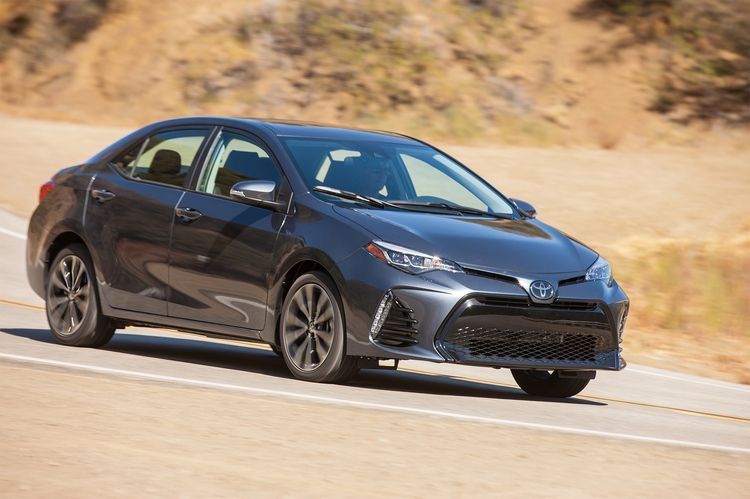
If you are a solo traveler or a couple, a compact sedan like a Maruti Dzire or Toyota Etios is totally fine. They’re great for weaving through the tight, historic streets of Fort Kochi or parking in cramped alleys in Trivandrum. But be careful—a lot of these commercial sedans run on CNG, or they have a massive spare tire shoved right in the middle of the trunk. It eats up half the space. If you show up with three big bags, you’re going to be putting luggage on your lap. And don't even try to take a fully loaded compact sedan up a steep mountain. The small engines just cannot handle it with the AC blasting. They will struggle, they will be slow, and you will feel every bit of that strain.
If you have a family of three or four, get a mid-size MPV like an Ertiga or Carens. They are the sweet spot. You fold down the back row, and you have a massive flat space for bags. You’re also sitting higher up, which makes the long drive to the hills much less claustrophobic because you can actually see over the hedges. The engines are strong enough to handle moderate climbs without screaming.
If you have the money, just get the Toyota Innova Crysta. It’s the king of Indian roads for a reason. It’s built like a tank, it’s got rear-wheel drive, and it’s incredibly stable on the steep, winding climbs into places like Munnar or Wayanad. If you are traveling with elderly parents or kids who are prone to motion sickness, the extra cost for the Innova is worth every rupee. The suspension is heavy-duty, it doesn't roll as much on the hairpins, and it’s just plain comfortable. It’s the difference between arriving at your resort feeling refreshed and arriving feeling like you just survived a war.
For big groups—weddings, extended family, whatever—don't try to coordinate three different cars. It’s a mess. You’ll lose each other at stoplights, you’ll arrive at sightseeing spots at different times, and you’ll just spend twice as much on fuel. Get a Tempo Traveller. You can stand up in them, they have great AC, and you keep everyone together. Just one warning: if you are booking a boutique resort or a backwater homestay, call them first. Some of those places are down tiny village roads that a 26-seater bus literally cannot turn into. Check the driveway before you book.